
Investment Focus
Corpora-Gov’s investment activities focus on deploying capital where it can unlock production, reduce structural constraints, and generate durable economic value for local communities and investors alike. Our investment focus is guided by a simple principle: capital should reinforce productive systems, not replace them.
Geographically, Corpora-Gov prioritizes highland and transition regions in Latin America, particularly Bolivia and Guatemala, as well as selected contexts in Africa and the Middle East where productive potential exists but remains undercapitalized. These regions share common challenges—high logistics costs, limited energy access, fragmented production, and constrained financing—that can be addressed through targeted, well-structured investments.
Sectorally, our investments concentrate on three mutually reinforcing areas:
Renewable energy and productive infrastructure, including decentralized and grid-connected solutions that lower energy costs and improve reliability for farmers, processors, and local enterprises.
Trade- and value-chain infrastructure, such as processing facilities, aggregation centers, storage, and eco-industrial parks located close to production zones. These assets enable local transformation, increase value retention, and create employment.
Production-linked ventures, where investment supports commercially viable agricultural, food, fiber, or natural-ingredient value chains anchored in real market demand and long-term buyer relationships.
Corpora-Gov typically invests through partnership models, combining private capital, blended finance, and development funding where appropriate. Investments are structured to align incentives among communities, operators, and investors, and to allow local actors to participate as partners—not only as suppliers or beneficiaries.
Across all investments, Corpora-Gov emphasizes financial discipline, risk-sharing, and long-term sustainability. The objective is to build assets and ventures that generate stable returns, strengthen local economies, and create pathways for employment and wealth generation—while remaining adaptable to evolving markets and regional conditions.
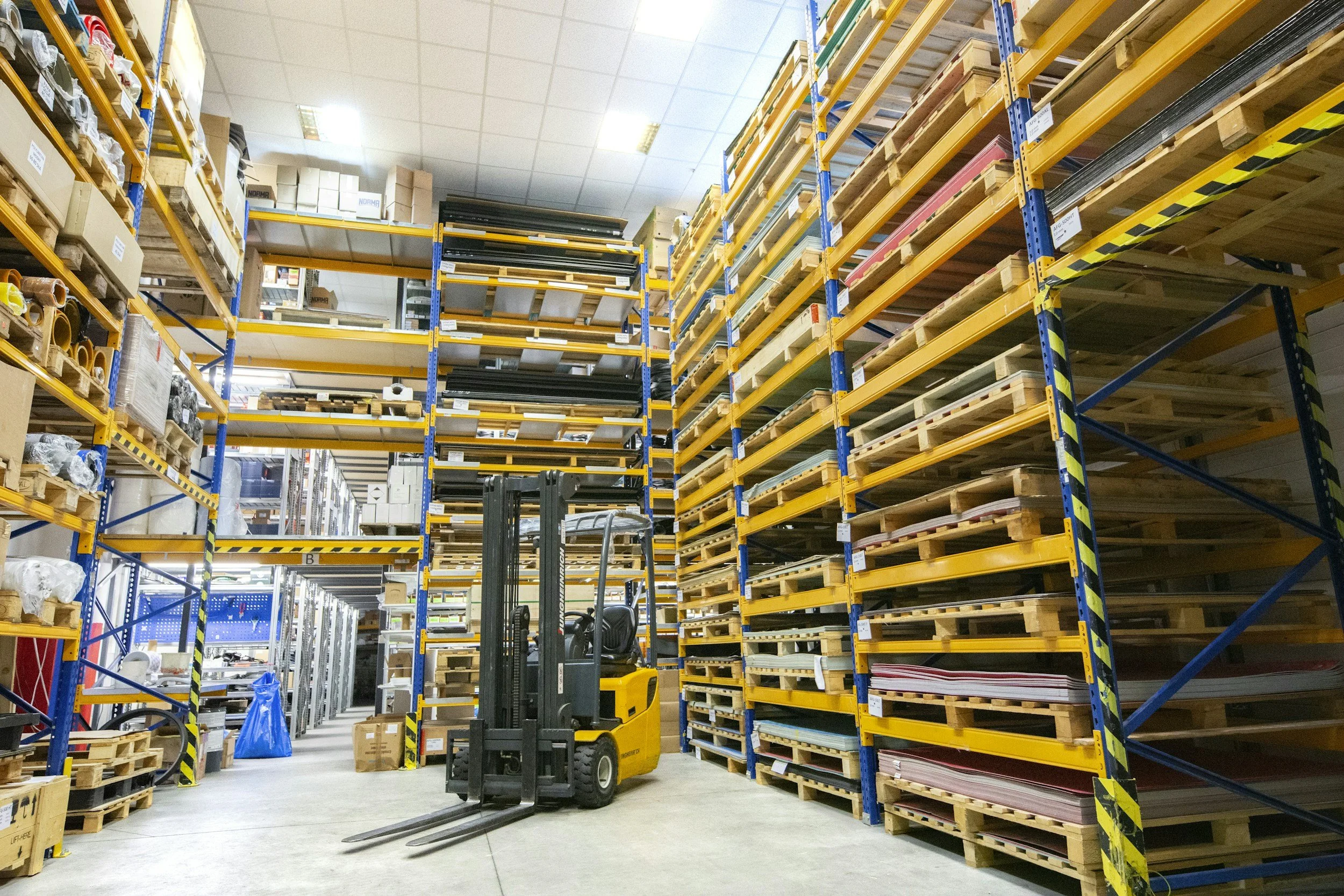
Image: Pexel